
Tea Details
+
Tea Details

Harvest: Floral — Spring 2025, Aged — Spring 2022, Charcoal Roast — Autumn 2025
Region: Shanyangge Village, Zhangping, Longyan, Fujian, China
Elevation: 960 m in eco-friendly mountain tea garden
Cultivar: Shuixian
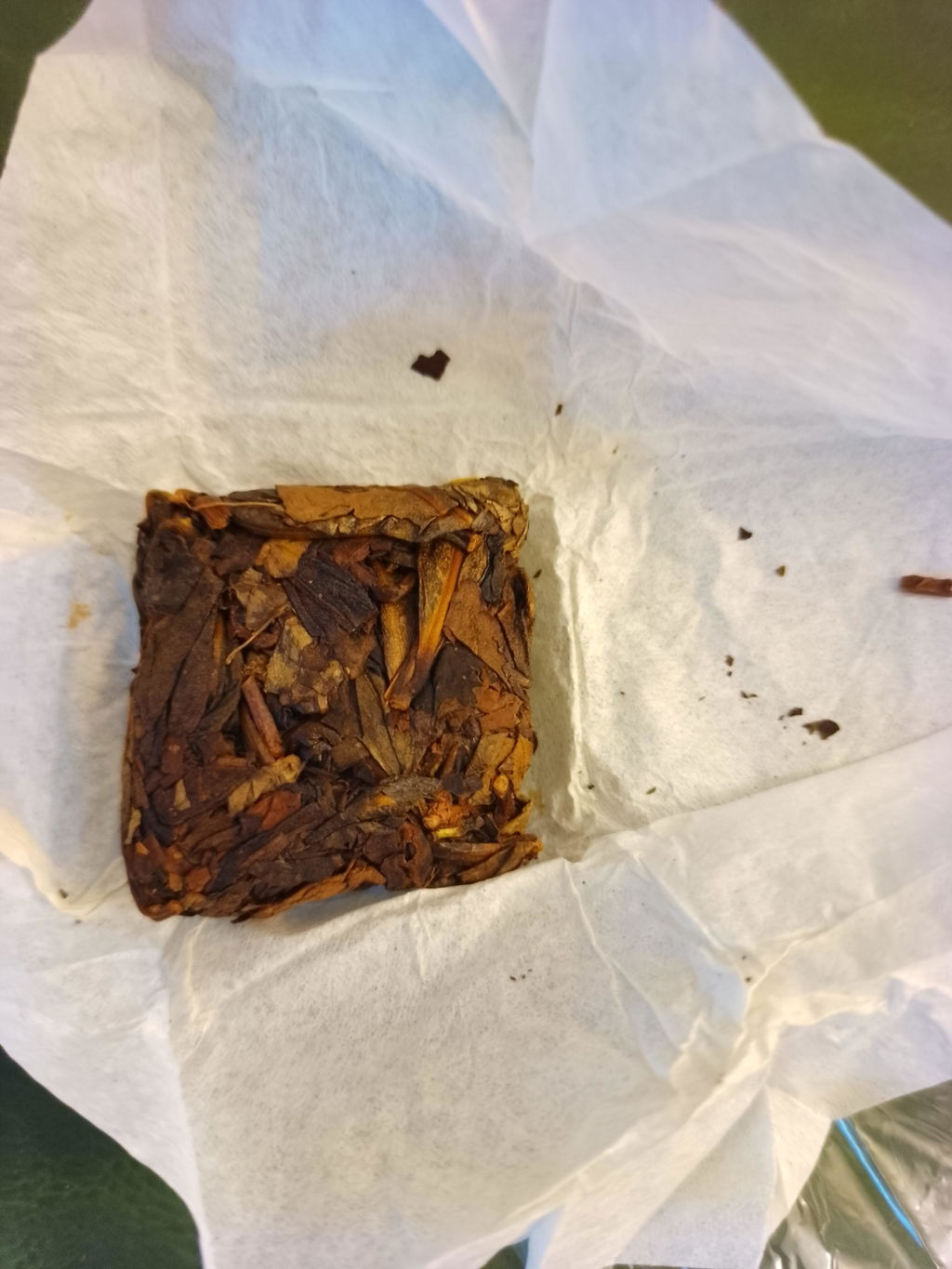
Crafting Highlight: Fully handmade and traditionally compressed into cake form.
Storage: Store airtight, away from heat, light, and strong odors
Shelf Life:
Floral — within 1 year, or 2–3 years if refrigerated
Aged — already aged 3+ years; suitable for further storage
Charcoal Roast — suitable for gradual aging under proper storage
Net Weight: 9-10 g / cake
Brewing Guide
+
Brewing Guide


Three Expressions of One Oolong
+
Three Expressions of One Oolong

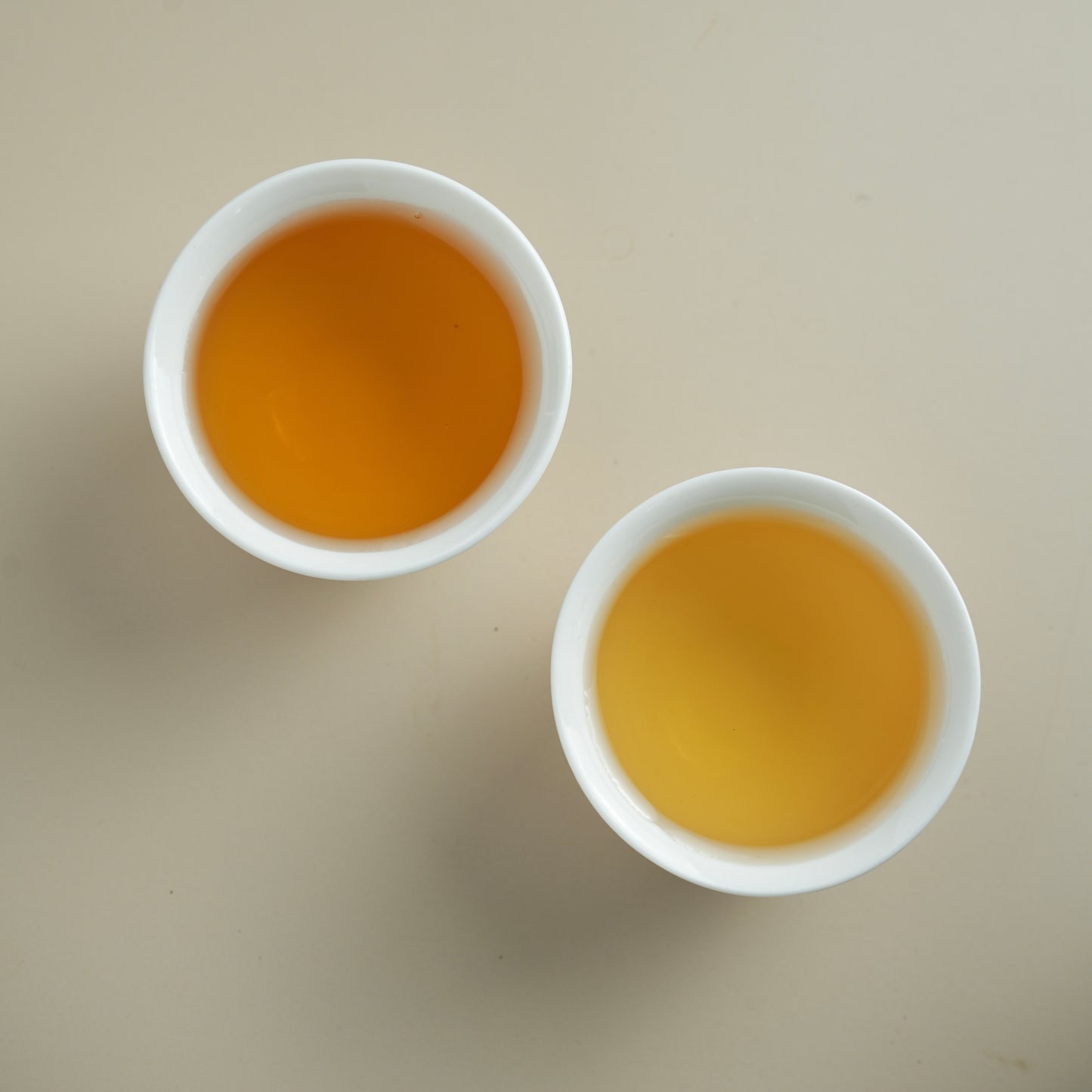
Floral is the most traditional expression of Zhangping Shuixian: lightly oxidized, naturally lifted, and true to the tea’s classic orchid-like fragrance and soft sweetness.
From that foundation, the other two styles show how oxidation, roasting, and time can shape the world of oolong tea.
The Aged style develops through slow transformation. Over several years, the fresh floral notes soften, the texture becomes rounder, and deeper woody, almond-like, and dried-fruit notes begin to emerge.
The Charcoal Roast style takes another path. Rather than simply adding a roasted flavor, slow charcoal roasting reshapes the tea’s structure and aroma: the cup becomes warmer, deeper, and more rounded, with notes of roasted nuts, brown sugar, dried longan, and lingering mineral sweetness.
Same cultivar. Same square cake tradition. Three different ways to understand how craft transforms oolong tea.
Why Square Tea Cakes?
+
Why Square Tea Cakes?

Zhangping Shuixian is one of the only oolong teas in China traditionally pressed into square cakes.
After withering, oxidation, and shaping, the tea is wrapped and pressed by hand using a wooden mold. This compact form began as a practical way to preserve and transport tea in Fujian’s humid climate, but over time it became the defining mark of Zhangping Shuixian.
The result is more than a shape. Pressing gives each cake a satisfying ritual, helps preserve fragrance, and allows the tea to slowly evolve over time.
Why Leaf Maturity Matters
+
Why Leaf Maturity Matters

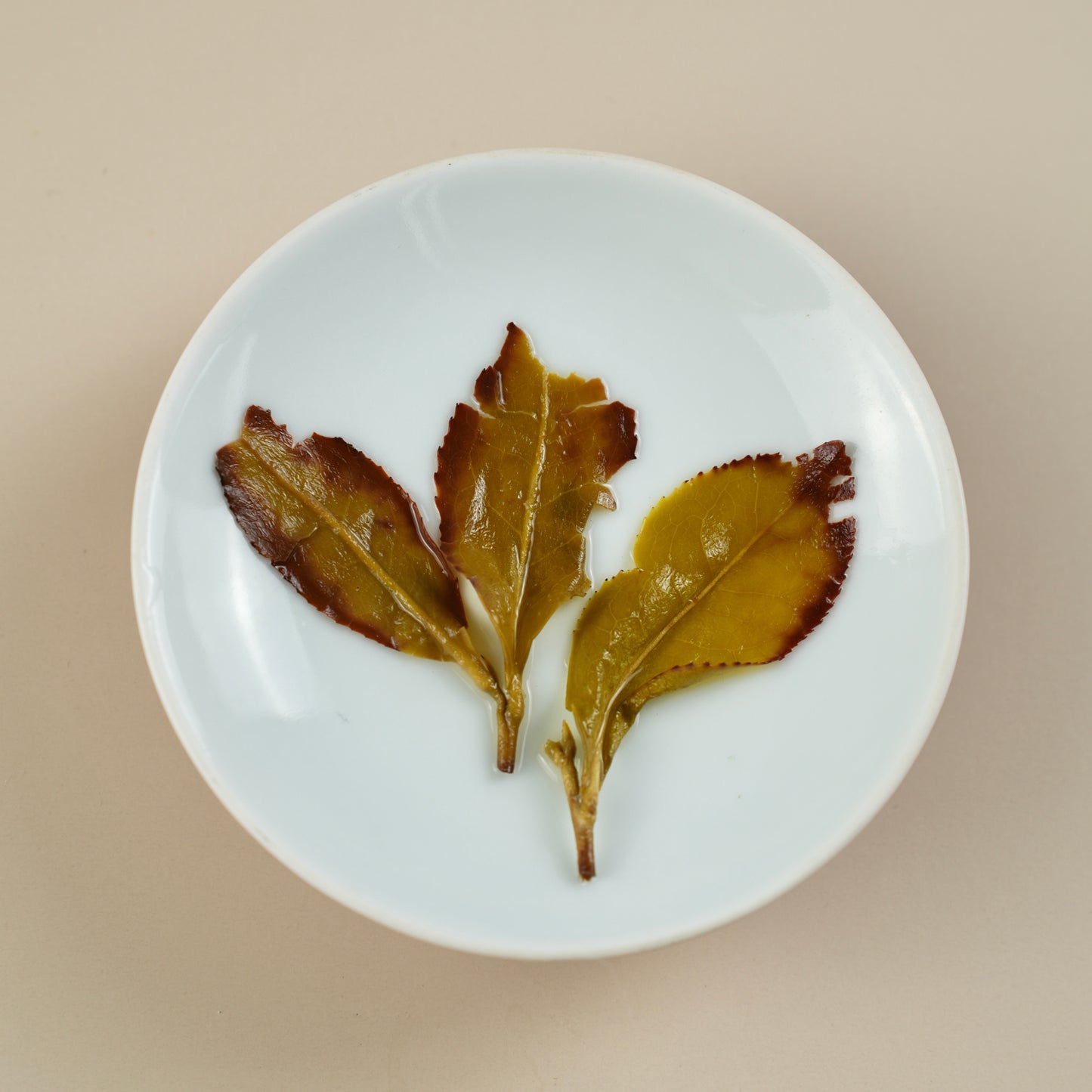
For Zhangping Shuixian, good material is not simply about picking the youngest buds.
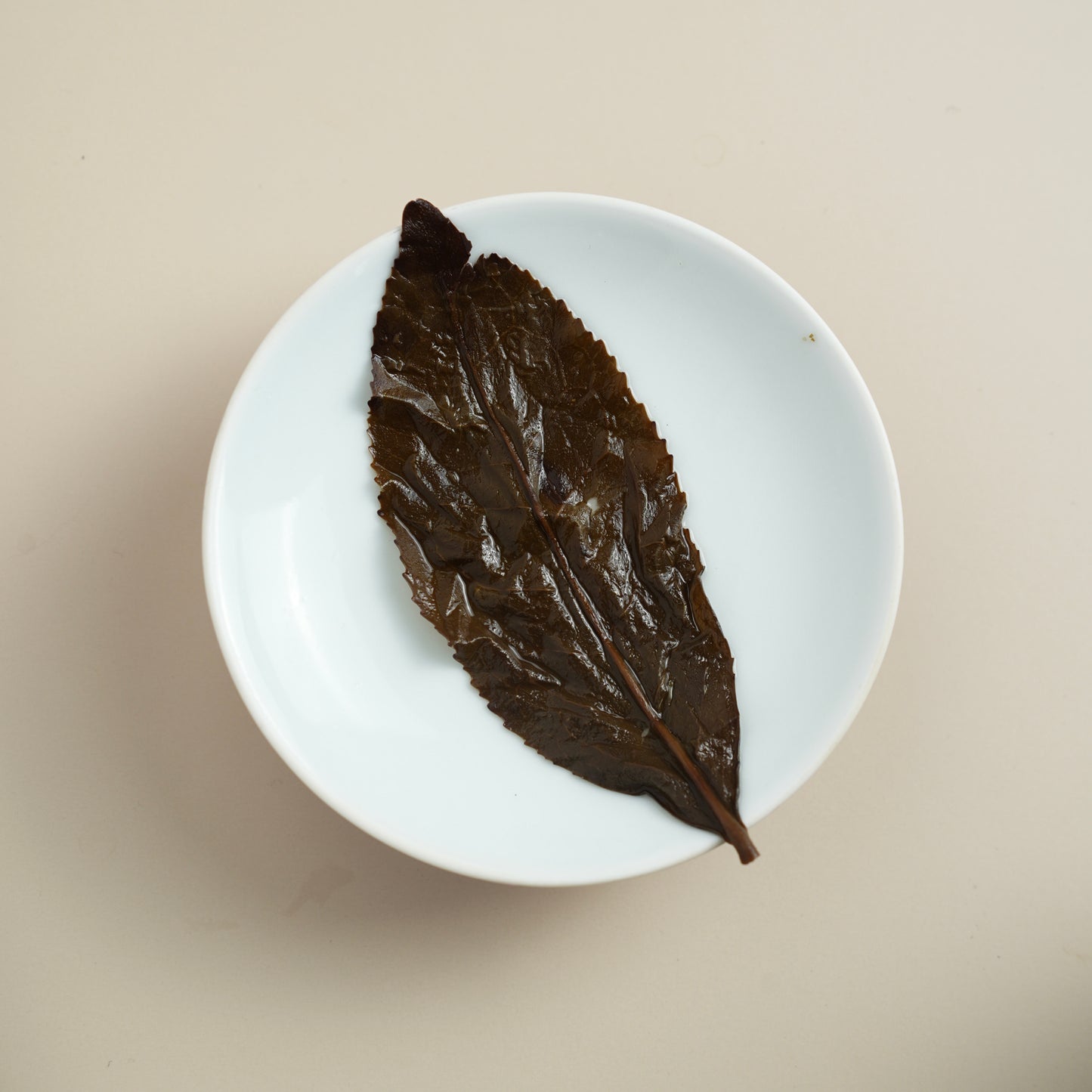
The leaves need the right balance of tenderness and maturity. If they are too young, the tea can feel thin and lack depth. If they are too coarse or overgrown, the liquor may become rough, bitter, or less refined. Summer growth can also look tender, but often carries stronger bitterness and astringency.
Season matters, too. Spring batches tend to offer fuller body and richer taste, while autumn batches often bring a more lifted aroma and a lighter, cleaner texture.
Rather than choosing by season alone, I select each batch for the style it expresses best. The specific harvest time is listed in the tea details for each variant.
How Zhangping Shuixian Differs from Wuyi Shuixian
+
How Zhangping Shuixian Differs from Wuyi Shuixian

Zhangping Shuixian and Wuyi Shuixian both come from the Shuixian cultivar tradition, but they express that cultivar in very different ways.
Wuyi Shuixian is usually made as a rock oolong, shaped into loose twisted leaves and often roasted to bring out mineral depth, woody warmth, and a fuller body.
Zhangping Shuixian, by contrast, comes from Southern Fujian and is traditionally pressed into small square tea cakes. Its processing is designed to preserve a more lifted floral aroma, rounded sweetness, and soft texture.
In other words, the cultivar may be related, but terroir, leaf maturity, processing, roasting, and pressing shape two very different cups.
Sourcing Note
From Shanyangge (山羊隔) Mountain Garden
This batch comes from Shanyangge, a high-elevation tea garden in Zhangping at around 960 meters.
In recent years, Zhangping has become drier, with lower rainfall and warmer growing conditions. For high-quality Zhangping Shuixian, the ideal picking window can be very short—sometimes only around two weeks. When the weather is too hot and dry, young shoots can develop quickly and concentrate more bitterness and astringency, making the finished tea less refined.
That is why the garden matters so much.
At Shanyangge, the higher elevation, frequent mist, grass-covered ground, and surrounding native plants help create a more balanced growing environment. The tea bushes grow more steadily, and the leaf material is less easily pushed by heat and drought.
I chose this mountain garden because its leaves showed the balance I look for in pressed oolong: lifted aroma, clean sweetness, enough structure for pressing, and a rounded texture that can express itself through floral, aged, and charcoal-roasted styles.